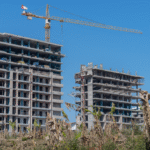



Urban centers continue to drive India’s real estate growth, with new patterns emerging post-pandemic
Market Overview: The Evolving $1 Trillion Opportunity
India’s property sector, currently contributing 6-8% to GDP, is on track to become a $1 trillion market by 2030. The 2025 outlook reveals distinct shifts across segments:
Residential Sector Dynamics
- Affordable housing dominates with 45% market share (CREDAI 2024 report)
- Luxury segment grows at 15% CAGR in Mumbai/Delhi/Bengaluru
- Average home sizes increase by 18% post-pandemic (Knight Frank data)
Commercial Real Estate Transformation
- Flex spaces account for 25% of office leases (JLL India)
- Grade A vacancy rates drop to 12% in tech hubs
- Retail reinvented: 40% of malls now hybrid experiential spaces
“The lines between residential, commercial, and retail are blurring. Mixed-use developments are becoming the norm rather than exception,” observes Mehul Thakkar, Real Estate Editor at HT Digital.
5 Defining Trends Reshaping Investments
1. Sustainability Becomes Non-Negotiable
- 82% of new projects target IGBC certification
- Water recycling mandated in 6 states
- Solar-ready buildings command 8-10% premium
2. Technology’s Pervasive Influence
| Technology | Adoption Rate | Impact |
|---|---|---|
| Virtual Tours | 67% projects | 30% faster sales |
| AI Pricing Tools | 54% brokers | 15% fewer disputes |
| Blockchain Transactions | 22% deals | Fraud reduction |
3. The New Geography of Growth
Emerging Hotspots:
- Navi Mumbai: Airport influence zone
- Hyderabad Pharma City: Industrial corridor
- Jewar (Noida): Multi-modal logistics hub
- Gift City (Gujarat): Financial services expansion
4. Demographic Shifts Driving Demand
- 43% of buyers now millennials (Anarock survey)
- Co-living spaces grow at 17% annually
- Senior living communities see 200% demand surge
5. Policy Tailwinds & Headwinds
✔ Accelerated approvals under SWAMIH fund
✖ Construction costs up 18% since 2022
✔ REIT listings cross ₹1.2 lakh crore AUM
Sector-Specific Outlook for 2025
Residential Real Estate
Changing buyer priorities in post-pandemic India
Key Developments:
- PMAY-U targets 20 million homes by 2025
- Rental yields improve to 3.8-4.5% in tech cities
- Fractional ownership platforms grow 300% YoY
**Commercial & Office Spaces
- Bangalore leads with 36% of tech leasing
- Flex spaces evolve to include childcare & wellness
- Average lease terms shorten to 5 years (from 9)
**Industrial & Logistics
- E-commerce requires 75 million sq.ft additional space
- Cold storage capacity to double by 2025
- Dedicated Freight Corridor boosts nodal cities
Investment Strategies for Different Profiles
First-Time Homebuyers
- Focus on RERA-registered affordable projects
- Utilize CLSS subsidy (up to ₹2.67 lakh benefit)
- Prioritize metro-connected suburbs
Seasoned Investors
- REITs delivering 8-9% annual returns
- Land banking near infrastructure nodes
- Senior living assets showing 12%+ yields
NRIs Looking to Invest
- Currency advantage (₹83-85/$ range)
- Preferred locations: Bangalore, Pune, Hyderabad
- Tax benefits under DTAA agreements
Regional Spotlights: Where to Deploy Capital
| City | Residential Growth | Commercial Vacancy | Infrastructure Push |
|---|---|---|---|
| Mumbai | 6-8% | 14% | Coastal Road, Metro 3 |
| Bangalore | 9-11% | 11% | Peripheral Ring Road |
| Pune | 8-10% | 13% | Hyperloop prototype |
| Hyderabad | 10-12% | 9% | Pharma City expansion |
Source: Colliers India Market Report Q1 2025
Risk Factors Requiring Diligence
- Regulatory Delays: 23% projects miss deadlines (RERA data)
- Input Cost Volatility: Steel prices fluctuate 15% quarterly
- Climate Risks: 14% coastal properties face flood threats
“The smart money is chasing projects with 60%+ completion before launch,” advises Ashish Mishra of Moneycontrol.
FAQs on 2025 Market Outlook
Q: Which cities offer best rental yields?
A: Bangalore (4.8%), Pune (4.5%), Hyderabad (4.3%) lead in residential rentals.
Q: Are tier-2 cities good for investment?
A: Select cities like Jaipur, Coimbatore, and Lucknow show 12-15% annual appreciation.
Q: How does election year impact real estate?
A: Typically 6-9 month slowdown in policy decisions, but fundamentals remain strong.
(Suggested Internal Link: “How to Verify RERA Project Approvals”)