

Understanding House Front Elevation Designs
A home’s front elevation is its first impression—a visual representation of architectural style, functionality, and personal taste. Whether building new or renovating, selecting the right design can significantly impact aesthetics and resale value. This guide presents 10 distinct front elevation styles, catering to varied budgets, preferences, and structural needs.
1. Ultra-Modern Glass Front Elevation
Dominating urban landscapes, this design uses floor-to-ceiling glass panels to create a sleek, contemporary look. Ideal for double-floor homes, it maximizes natural light while offering energy efficiency with low-emissivity (Low-E) glass.
Best for: Urban homes, tech enthusiasts, and those prioritizing open, luminous spaces.
2. Traditional Village Single-Floor Design
Embodying simplicity, this design features sloping roofs, exposed brick, and wooden beams. A small front porch adds charm, making it perfect for countryside or suburban settings.
Key materials: Clay tiles, terracotta bricks, and natural wood finishes.
3. Budget-Friendly Contemporary Design
Using cost-effective materials like fiber cement panels and textured plaster, this design delivers modern aesthetics without overspending. Compact windows and asymmetrical lines add visual interest.
Cost-saving tip: Opt for pre-cast concrete elements over custom stonework.
4. Compound Wall with Minimalist Facade
A decorative compound wall enhances privacy while complementing a simple facade. Horizontal grooves, climbing plants, or patterned perforations can elevate the wall’s design.
Popular in: Gated communities and standalone plots.
5. Elegant Double-Floor Elevation
This design balances space and style, featuring spacious balconies, bay windows, and geometric accents. Ideal for growing families, it often incorporates stone cladding or vertical gardens.
Pro tip: Use contrasting materials (e.g., wood + stone) for depth.
6. Minimalist Single-Door Design
Prioritizing simplicity, this design uses a single entry door, neutral palettes, and uncluttered surfaces. Small planters or a textured finish can prevent the facade from appearing too plain.
Best for: Small plots or urban infill projects.
7. Rustic Village-Style Elevation
Natural materials like rough-cut stone, timber beams, and clay roof tiles define this earthy aesthetic. A covered verandah and small windows enhance its cozy appeal.
Ideal locations: Rural areas or farmhouse-style retreats.
8. Grand Villa-Style Facade
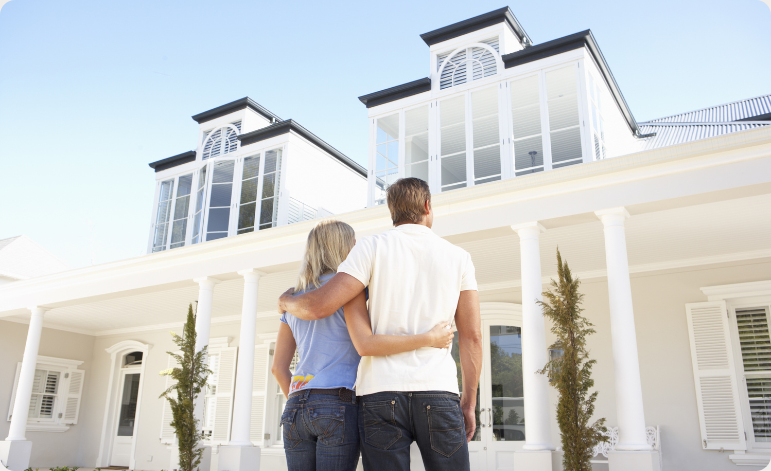
Pillars, arched windows, and ornate stonework lend a regal touch. Often paired with circular driveways or water features, this design suits large plots.
Budget note: Custom stone carvings and wrought-iron gates increase costs.
9. Compact Bungalow Design
A sloping roof and front porch characterize this practical layout. Large windows and an open verandah make it feel spacious despite its modest footprint.
Versatile for: Retirement homes or vacation properties.
10. 3D Facade for Small Homes
Using projected surfaces, recessed lighting, and mixed materials, this design creates depth. Dark-and-light contrasts amplify the 3D effect.
Trend alert: Popular in metro cities for modern townhouses.
Must Consider When Choosing a Design
- Climate suitability: Sloping roofs for heavy rainfall; flat roofs for dry regions.
- Local bylaws: Verify height restrictions and setback rules.
- Maintenance: Glass facades require frequent cleaning; brick/stone lasts longer.